Advanced Serializing in PHP
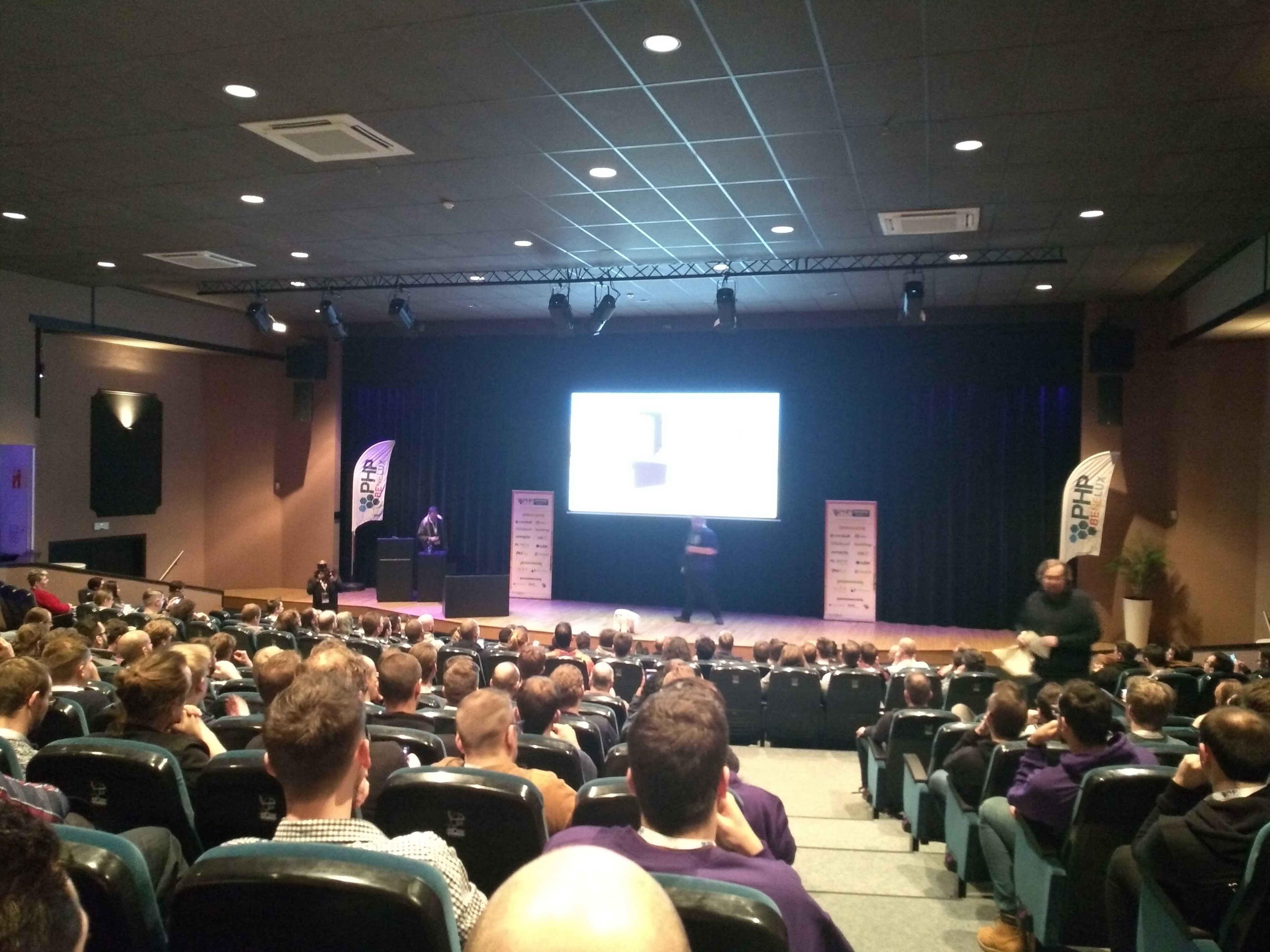
Michelle got the honours of having one of the first 3 tracks after Cal Evans his key note. She talked about her bumpy ride into serializing data and how she and her team came up with the perfect solution for their project.
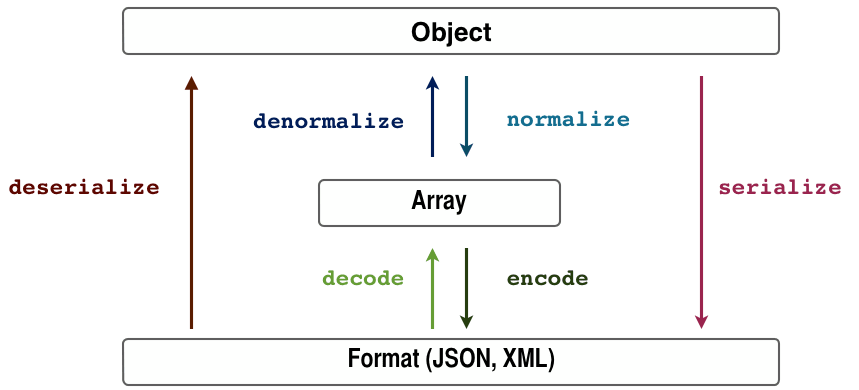
For those not familiar with the concept, serializing is transforming your data into a request output format such as JSON or XML and deserialization the other way around.
Performance issues
For a big retailer in Switzerland, Michelle used the familiar JMS serializer. This turned out to be a bottleneck in their application for years as they experienced performance issues. Michelle explained the road towards their solution which resulted in a 55% overall performance gain.
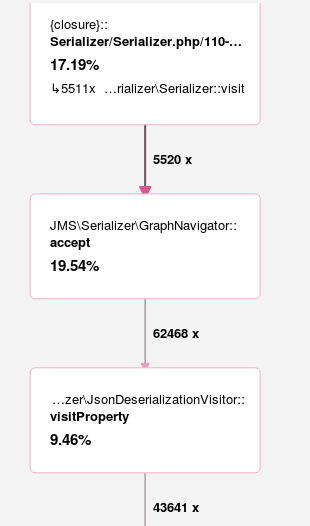
To find this bottleneck, Blackfire was used. Left you see a screenshot of a JMS method being called 60.000 times in a single call.
Solutions?
A lot of solutions were tried: JMS, Symfony serializer, Better serializer and lots of other PHP serializers. All of them are great libraries, but none of them showed any improvements. By that time the team accepted to live with this performance hit until a new GoLang developer joined.
He worked on a solution in GoLang: Sheriff. The first results were very promising. To reuse the current JMS annotations Liip created a library for generating Go structs using Sheriff out of PHP models. And at last, to make things work with the PHP application, Goridge was used. Goridge allows you to call Go service methods from PHP.
This GO + PHP approach was great and the application had a huge speed boost. But, PHP had no fair chance. So the team decided to implement the way GO uses serialization into their own open source php library: liip/serializer.
liip/serializer
This open source library generates PHP code based on the PHP models that you specify. A separate file is generated for every version and serializer groups combination to move all logic to the code generation step. Note, they use twig to generate PHP files! By generating these files up front they speed the application. It works the same as JMS, so it should be easy to replace.
Thoughts
Always educative to hear how others approach the issues they encounter. In my opinion it could go a bit deeper into the serializer and what exactly made the improvements as that part was very interesting.
Advanced Serializing in #PHP: Speed it up! by @michellesanver@phpbenelux #phpbnl20 #sketchnotes pic.twitter.com/gYiRpb4V6B
— Peter Decuyper (@sgrame) January 24, 2020